



Introduction: Setting Ambitious Credit Goals During Chapter 13
Filing for Chapter 13 bankruptcy can feel like hitting the reset button on your financial life, but it doesn’t mean your credit goals have to be put on hold for years. While many believe their credit score is destined to languish until after their repayment plan is complete, a more proactive approach is possible. This guide challenges that passive mindset. It’s not just about surviving Chapter 13; it’s about actively rebuilding your credit during the process, with the ambitious goal of achieving a 700 credit score. With bankruptcies on the rise, showing a 13.1% increase in filings between early 2024 and 2025, understanding how to navigate the recovery process is more crucial than ever.
The Reality of Chapter 13 and Credit Scores
Chapter 13 bankruptcy is a court-supervised reorganization of your debt. Unlike Chapter 7, which involves liquidating assets, Chapter 13 creates a three-to-five-year repayment plan. The initial impact on your credit score is significant and unavoidable. The filing itself becomes a public record and a major negative item on your credit report. Most individuals will see a substantial drop in their score, although the exact amount varies based on your pre-filing credit health. However, this dip is the start of a structured recovery, not the end of your credit journey.
Why Aim for a 700 Credit Score While in Bankruptcy?
Setting a goal of a 700 credit score during your Chapter 13 repayment plan is ambitious but strategic. A score in this range moves you from the “poor” or “fair” category into the “good” credit tier. This transition unlocks significant financial opportunities, often even before your case is discharged. Achieving this milestone can mean qualifying for a car loan at a reasonable interest rate, being approved for better credit card offers, and positioning yourself for a mortgage shortly after discharge. It’s about reclaiming financial control and minimizing the long-term negative effects of the bankruptcy.
This Guide’s Unique Focus: Proactive Credit Building During Your Repayment Plan
This guide moves beyond the standard advice of simply waiting for your bankruptcy discharge. We will focus on the actionable steps you can take from the moment your repayment plan is confirmed. The goal is to demonstrate how consistent, strategic financial habits within the framework of your Chapter 13 bankruptcy can actively improve your FICO score, laying a strong foundation for a secure financial future long before the bankruptcy notation is removed from your credit report.
Understanding Chapter 13’s Initial Impact on Your Credit Score
When you file for Chapter 13, your credit score will take a hit. This is an unavoidable consequence of seeking bankruptcy protection. However, understanding exactly how this process unfolds on your credit report is the first step toward a strategic recovery.
How Chapter 13 Bankruptcy Appears on Your Credit Report
Upon filing, two main things happen to your credit report. First, the bankruptcy itself is added as a public record. This notation will remain on your report for seven years from the filing date. Second, the individual accounts included in your bankruptcy, such as credit card debt or personal loans, will be updated to reflect their status. They are typically marked as “Included in Chapter 13 Bankruptcy” or show a zero balance, which stops the reporting of late payments from those creditors. This effectively stops the bleeding from delinquent accounts.
The Nuance: Why Chapter 13 Can Be a Path to Financial Recovery
While the initial score drop is painful, Chapter 13 offers a structured path toward financial health that is often more favorable for credit rebuilding than Chapter 7 bankruptcy. The repayment plan demonstrates to future lenders a commitment to repaying your debt over several years. Furthermore, by consolidating payments and managing debt, you improve your debt-to-income ratio, a key factor in credit scoring. A LendingTree analysis from August 2024 showed that while some filers’ scores dropped, consumers with pre-filing scores below 620 actually saw an average increase. This highlights Chapter 13’s potential to stabilize and eventually improve a precarious financial situation.
The Foundation: Consistent Compliance with Your Repayment Plan
The single most important factor in rebuilding your credit during Chapter 13 is your unwavering commitment to the court-approved repayment plan. This is the bedrock upon which all other credit-building efforts are built.
Making On-Time Payments to Your Chapter 13 Trustee
Your monthly payment to the Chapter 13 trustee is your new primary financial obligation. Every single payment must be made on time, without exception. While these payments are not typically reported directly to the credit bureaus in the same way a mortgage or car loan is, they create an official record of your financial reliability. Lenders considering you for new credit post-confirmation—such as for a necessary car loan—will require a history of these on-time trustee payments as proof of your ability to manage debt responsibly.
Adhering Strictly to Your Court-Approved Repayment Plan
Compliance goes beyond just making payments. Your Chapter 13 repayment plan is a legal agreement. You must live within the budget established and avoid taking on any new, unapproved debt. Deviating from the plan can jeopardize your entire bankruptcy case, potentially leading to dismissal. A successful completion of the plan, culminating in a discharge of remaining eligible debt, is a powerful positive signal. Approximately 49% of Chapter 13 cases closed in 2020 were completed successfully, demonstrating that adherence to the plan is a proven path to a financial fresh start.
Strategic Credit Building While in Active Chapter 13
While perfect adherence to your repayment plan is crucial, it’s a passive activity. To actively push your credit score toward 700, you must layer in strategic, court-approved methods for building new, positive credit history.
The Importance of Court Approval for New Debt
Before applying for any new line of credit, whether it’s a credit card or a loan, you must understand the rules of your jurisdiction. In most cases, you will need to obtain permission from the bankruptcy court to incur new debt. Attempting to do so without approval can have severe consequences for your case. Your bankruptcy lawyer is your essential guide here; always consult them before taking any steps to acquire new credit.
Leveraging Secured Credit Cards Wisely
A secured credit card is one of the most effective tools for rebuilding your credit during Chapter 13. To get one, you provide a cash deposit that typically equals your credit limit. This eliminates the risk for the lender, making them accessible to those in bankruptcy. Once you have court permission, open one or two secured cards. Use them for small, planned purchases (like gas or a recurring subscription) and pay the balance in full every month. This activity is reported to the credit bureaus, building a new, positive payment history.
Exploring Credit-Builder Loans as an Installment Loan Option
Another excellent, court-approved tool is a credit-builder loan. Unlike a traditional loan, where you receive money upfront, with a credit-builder loan, the lender places the loan amount in a locked savings account. You make regular monthly payments, which are reported to the credit bureaus. Once you’ve paid off the loan, the funds are released to you. This demonstrates your ability to handle an installment loan, which adds a healthy diversity to your credit mix.
Carefully Considering Auto Loans or Mortgages (Post-Confirmation)
In some situations, you may need to finance a car during your Chapter 13 plan. It is possible to get approved for car loans, but you will need court permission and can expect a higher interest rate. Lenders will scrutinize your trustee payment history. While less common, some individuals may even be able to refinance or obtain a mortgage during an active Chapter 13, but the requirements are stringent. These major credit lines should only be pursued out of necessity and with careful guidance from your attorney, as they represent significant financial commitments.
Mastering Credit Score Factors During Your Repayment Plan
Your FICO score is calculated based on five key factors. Understanding and optimizing these factors within the constraints of your Chapter 13 bankruptcy is the secret to reaching a 700 score.
Payment History: The Cornerstone of Your Credit Score
Payment history is the single most important component, accounting for 35% of your FICO score. During Chapter 13, this means making your trustee payments on time and paying any new credit accounts (like a secured credit card) on time, every time. A single late payment can set back your progress significantly. This is your opportunity to build a flawless track record.
Credit Utilization Ratio: Keeping it Low on Revolving Accounts
Credit utilization—the amount of revolving credit you’re using compared to your total limits—is the second most important factor. For any new credit card you obtain, the rule is simple: keep your balance low. A common guideline is to stay below 30%, but for maximum score impact, aim to keep your utilization under 10%. This means if you have a secured card with a $300 limit, you should never have a statement balance of more than $30.
Length of Credit History: Patience and Persistence
This factor considers the average age of your accounts. The Chapter 13 filing doesn’t erase your credit history, but rebuilding requires opening new accounts, which will initially lower your average age. There’s no shortcut here. The key is to open your new, strategic accounts (like a secured card) early in your plan and keep them open. Over the three-to-five-year plan, they will begin to age and contribute positively to your score.
New Credit: Strategic, Not Excessive
Applying for new credit generates a hard inquiry on your report, which can temporarily dip your score. During Chapter 13, it’s critical to be highly strategic. Don’t apply for multiple lines of credit at once. Plan your moves with your lawyer, apply for one or two key rebuilding products like a secured card or credit-builder loan, and then let them build history.
Types of Credit: A Balanced Mix (Achieved Cautiously)
Lenders like to see that you can responsibly manage different types of credit (a “credit mix”). This includes revolving credit (credit cards) and installment loans (car loans, mortgages, credit-builder loans). During Chapter 13, a secured card and a credit-builder loan create an ideal, low-risk mix that positively influences your score without overextending you financially.
Monitoring Your Credit Health and Protecting Your Progress
Actively building credit is only half the battle. You must also diligently monitor your credit report to ensure your efforts are being reflected accurately and to protect yourself from errors or fraud.
Regularly Obtaining Your Credit Report from Experian, TransUnion, and Equifax
You are entitled to a free credit report from each of the three major bureaus—Equifax, Experian, and TransUnion—every year through the official government-mandated website. During Chapter 13, it’s wise to pull one report every four months on a rotating basis. Scrutinize each report to ensure that debts included in the bankruptcy are marked correctly and that there are no new, unauthorized accounts.
Utilizing Credit Monitoring Services
For more frequent updates, consider using a free or paid credit monitoring service. These services often provide access to your credit score and alert you to significant changes on your credit report, such as new inquiries or accounts. This real-time feedback helps you track your progress toward the 700 score goal and allows you to react quickly to any potential issues.
The Crucial Role of Your Bankruptcy Lawyer and Trustee
Navigating a Chapter 13 bankruptcy and rebuilding your credit is not a solo journey. Your bankruptcy attorney and the court-appointed trustee are essential partners in your financial recovery.
Your Bankruptcy Lawyer: Your Guide Through the Legal Landscape
Your bankruptcy lawyer’s role extends beyond the initial filing. They are your primary advisor for the duration of your repayment plan. They can explain the specific rules of your district regarding new credit, help you file the necessary motions with the court to get approval for a loan, and provide guidance on what actions are beneficial versus those that could jeopardize your case.
Working with Your Chapter 13 Trustee for Financial Recovery
The Chapter 13 trustee is an officer of the court responsible for administering your case, which includes collecting your payments and distributing them to creditors. While they are not your personal financial advisor, maintaining a positive and compliant relationship is vital. They provide the official record of your payment history, which is critical when seeking court approval for new credit.
Long-Term Vision: Life After Chapter 13 Discharge
Successfully completing your Chapter 13 repayment plan is a monumental achievement. The discharge order erases your legal obligation to pay any remaining eligible debts and marks the formal end of your bankruptcy case.
What Happens to Your Credit Score After Discharge of Debt
Upon discharge, your credit score may see a slight boost as the case status updates from active to discharged. The real benefit, however, comes from the foundation you’ve built during the plan. If you’ve been using a secured card responsibly and have a history of on-time payments, you’ll exit bankruptcy in a strong position.
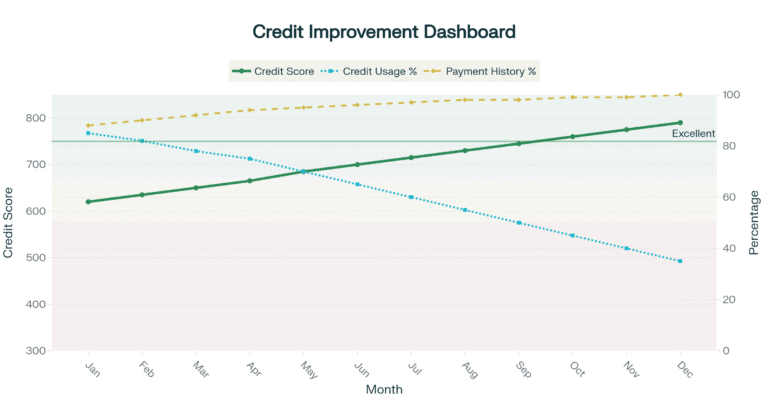
While the average score after a Chapter 13 discharge often lands in the ‘poor to fair’ range, those who were proactive can find themselves well above that average, potentially already at or near the 700 mark. This proactive approach can significantly shorten the recovery timeline, with most people seeing improvements within 12 to 18 months of their initial filing if they maintain good habits.
Conclusion
Achieving a 700 credit score during an active Chapter 13 bankruptcy is a challenging but entirely realistic goal. It requires a fundamental shift in mindset—from passively waiting out the repayment period to actively engaging in a disciplined credit rebuilding strategy. The journey is built on the non-negotiable foundation of making every trustee payment on time. From there, it involves working with your attorney to strategically add positive credit lines, such as a secured credit card or a credit-builder loan.
By mastering the key FICO score factors—especially payment history and credit utilization—and diligently monitoring your credit reports, you can systematically repair and enhance your credit profile long before your case is discharged. This proactive approach not only accelerates your financial recovery but also empowers you with the habits needed for long-term success. Your Chapter 13 doesn’t have to be a seven-year sentence of bad credit; it can be the structured, focused period you use to build a stronger financial future.